Drawing Dialogues:
Stories of Decay
By Wong Zihao and Liu Diancong. The first iteration on 26 July 2025 was planned a public programme of Design Earth: Speculative Fiction for the Climate, 28 April–13 June 2025, ADM Gallery. Courtesy NTU Centre for Contemporary Art Singapore.
Images courtesy of NTU CCA.
A next iteration of this workshop is being planned on 18 February 2026, 9am-12pm, as part of public programming for The Strange Archive, an exhibition developed for Singapore ArtWeek 2026.
Decay, decomposition, weathering, rot. Landscapes eroding, architectures disintegrating, bodies breaking down, coming apart, becoming dirt. We hardly have a kinship with decay for, like dirt, decay is—in the words of anthropologist Mary Douglas—matter out-of-place in our perpetually renewing cities. Indeed, the city we are brought to inhabit and desire is built with ever-more weatherproof architectures, with cosmetic treatments that maintain the hardness of the buildings and the smoothness of their surfaces impervious to the traces of Nature’s time. In waterfront cities, which novelist Amitav Ghosh regards as a showcase of architectural mastery over the unruly environment, the cartography of terrestrial edges continues to reinforce the separation of interiorised human-made worlds from exteriorised more-than-human environments. Seen through the lens of the city, the design of the future Earth aspires to be atemporal. And like so many transient and shifting environments stilled in human projections of the Earth (from maps to masterplans), the unweathered city must thrive outside of time, devoid of stains and discolouration. But does the city have to be in an anxious race against Nature’s time?
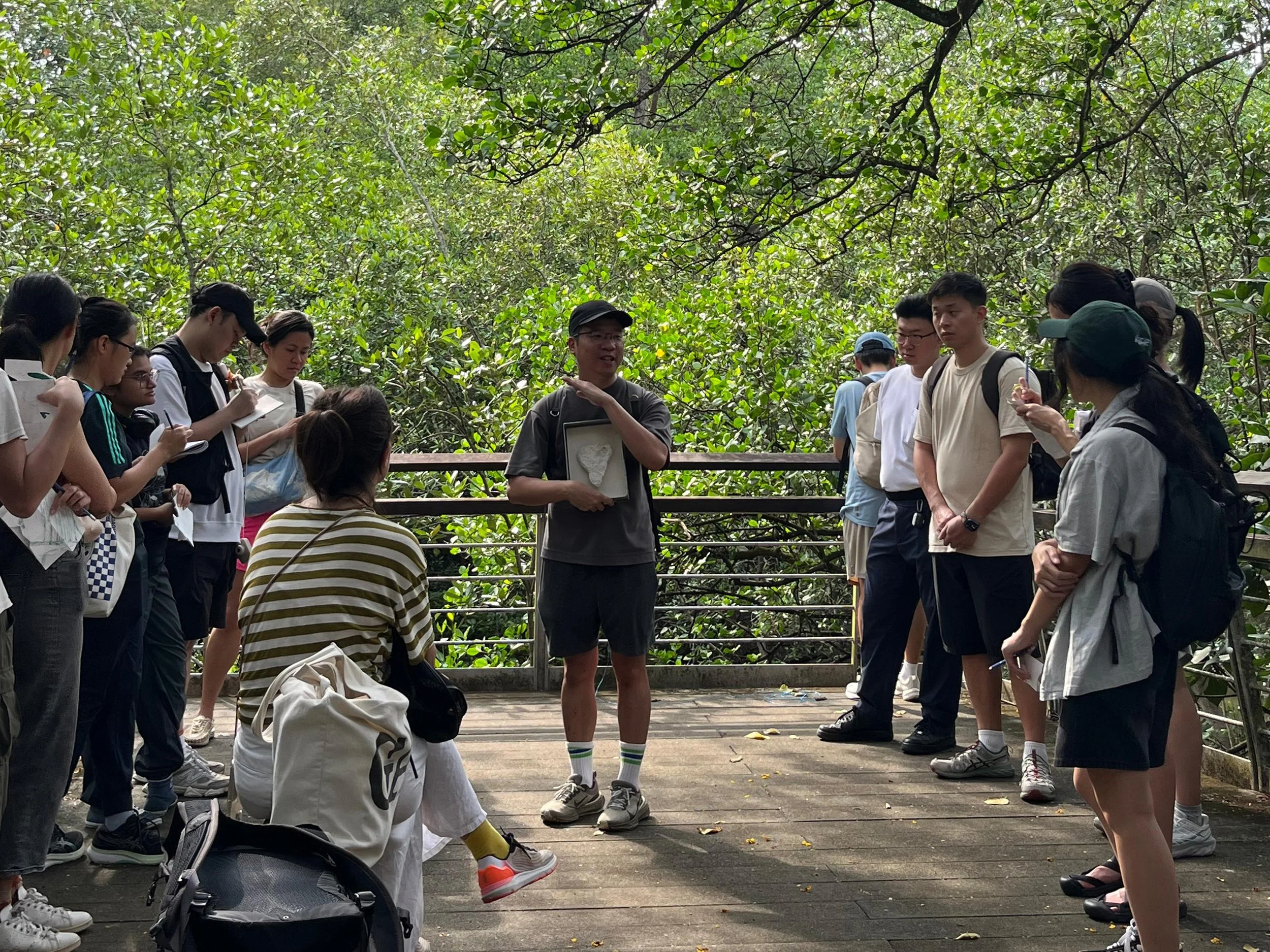
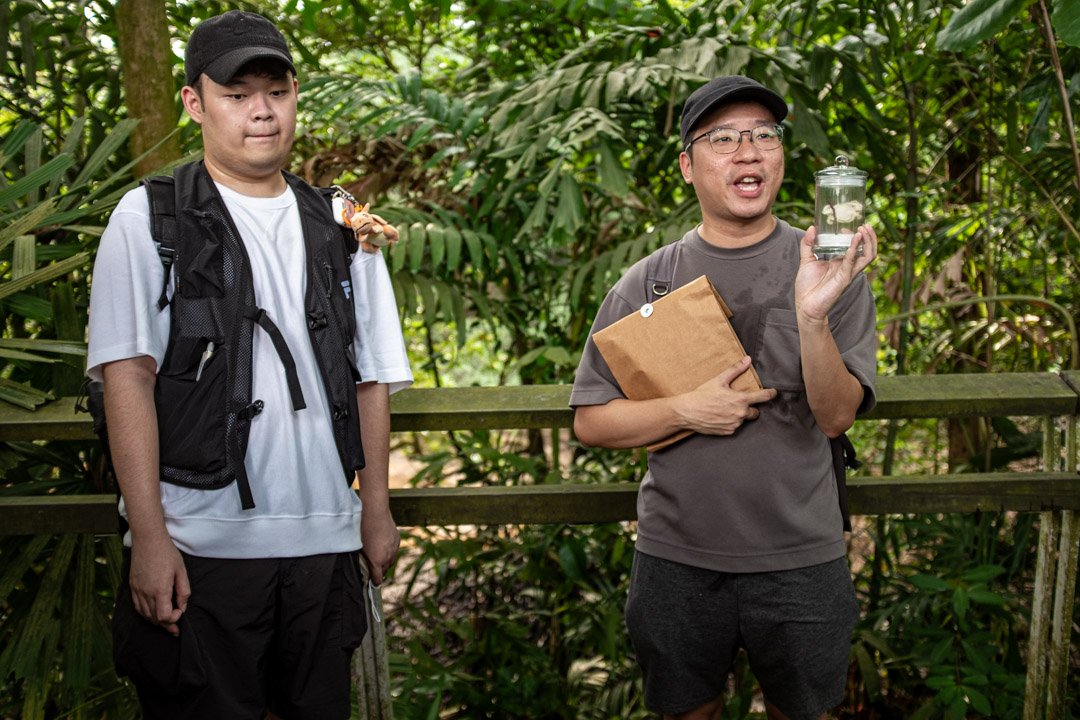
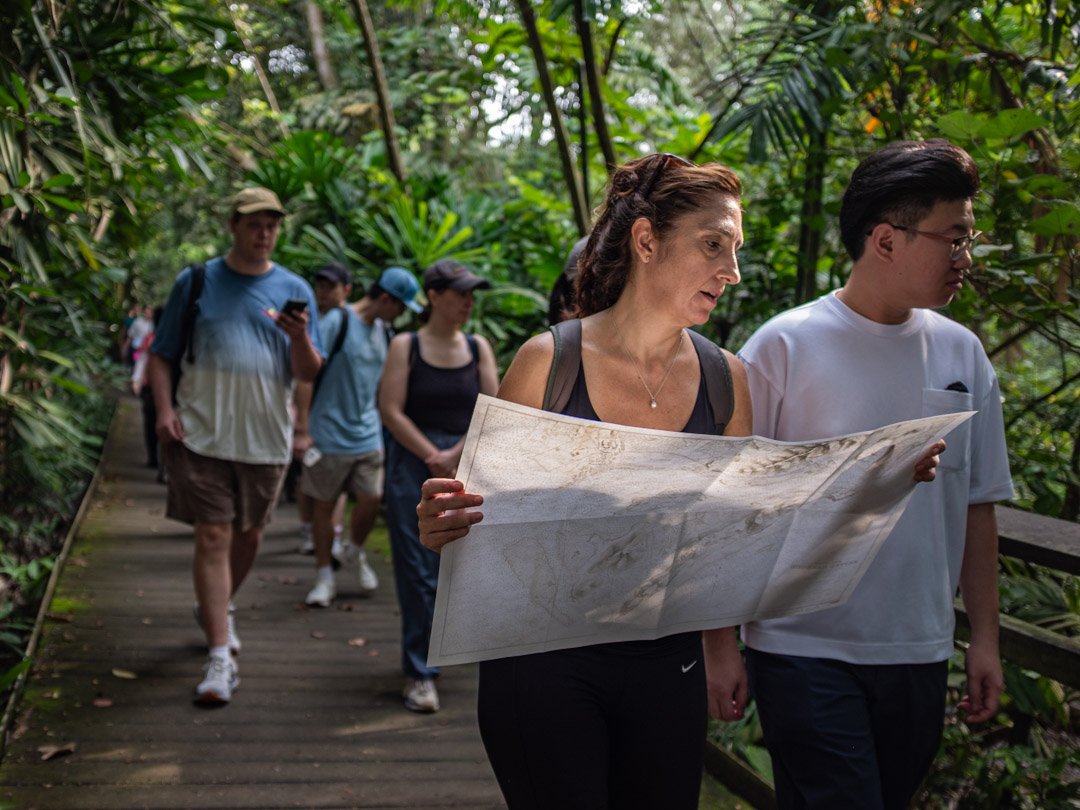
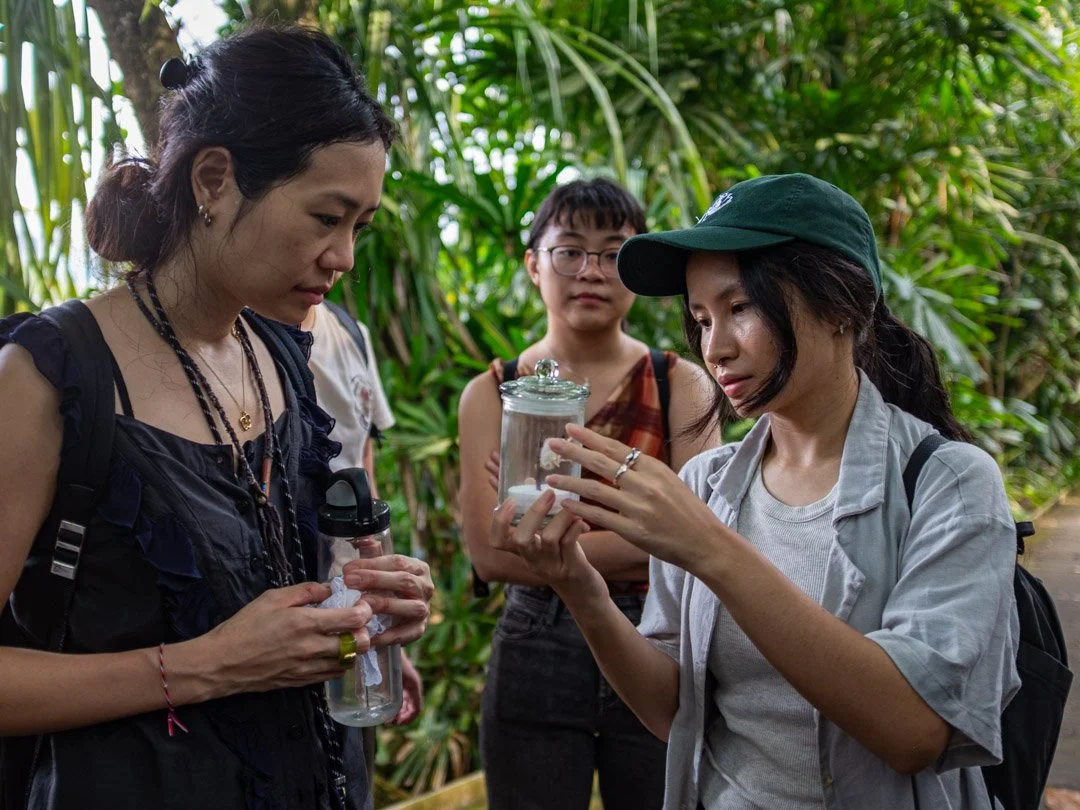
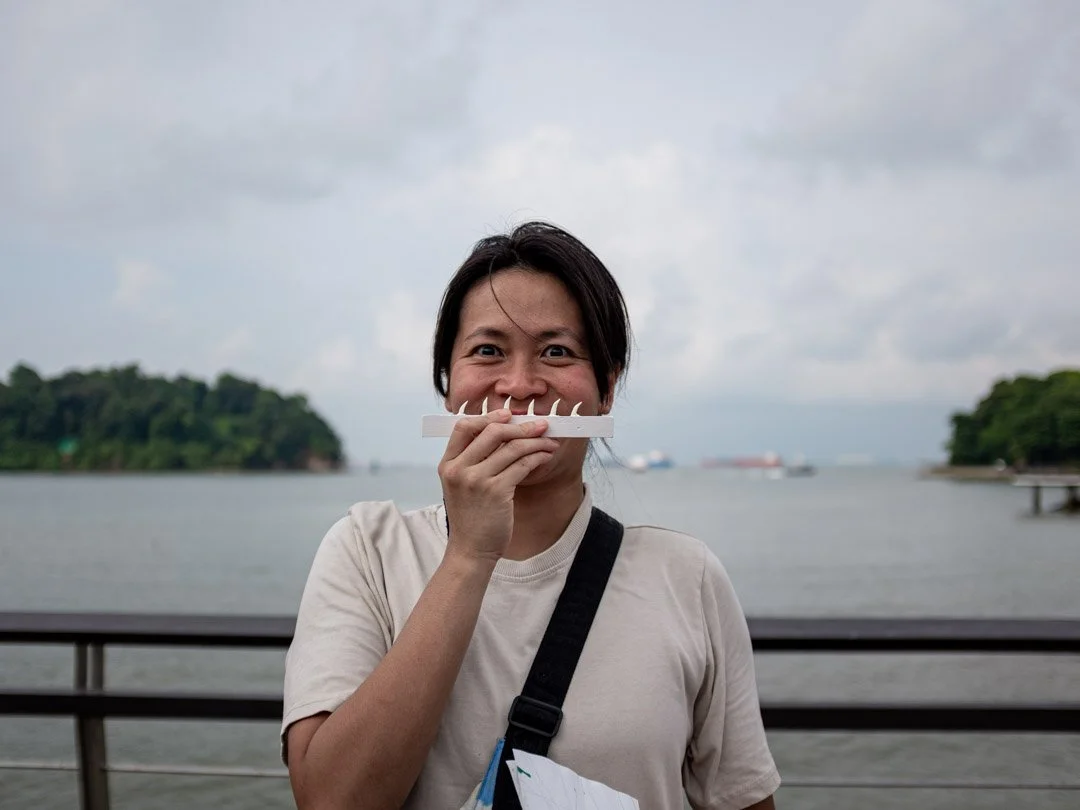
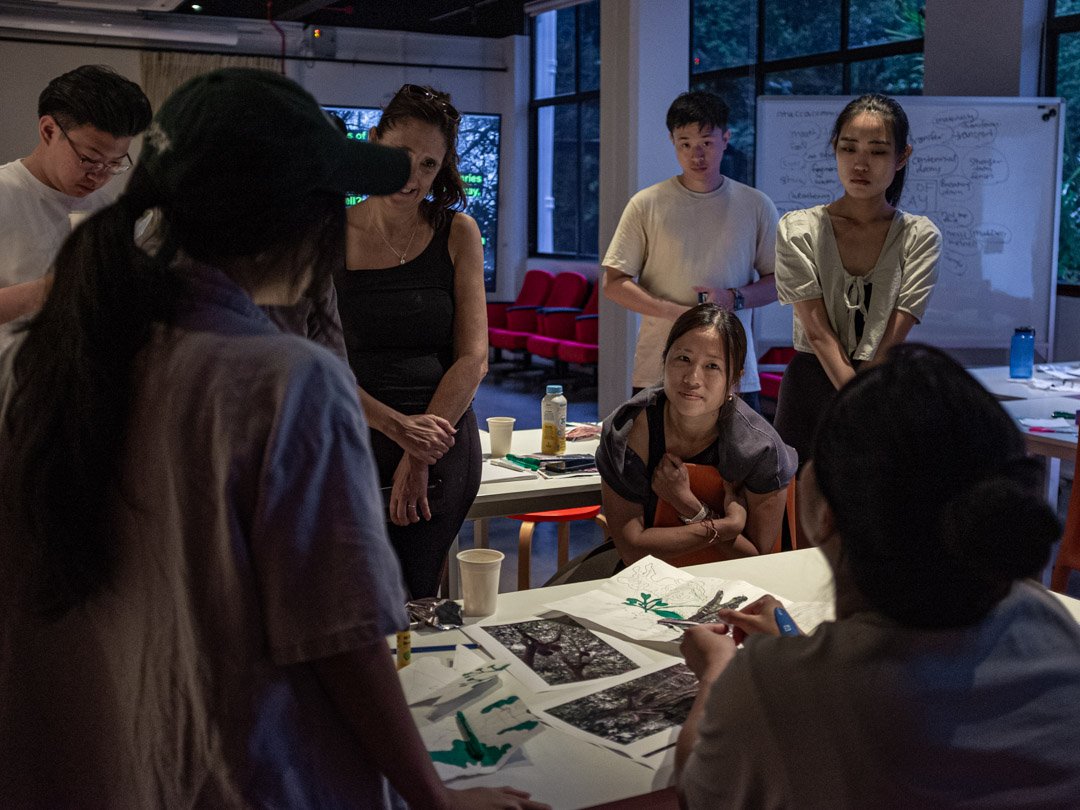
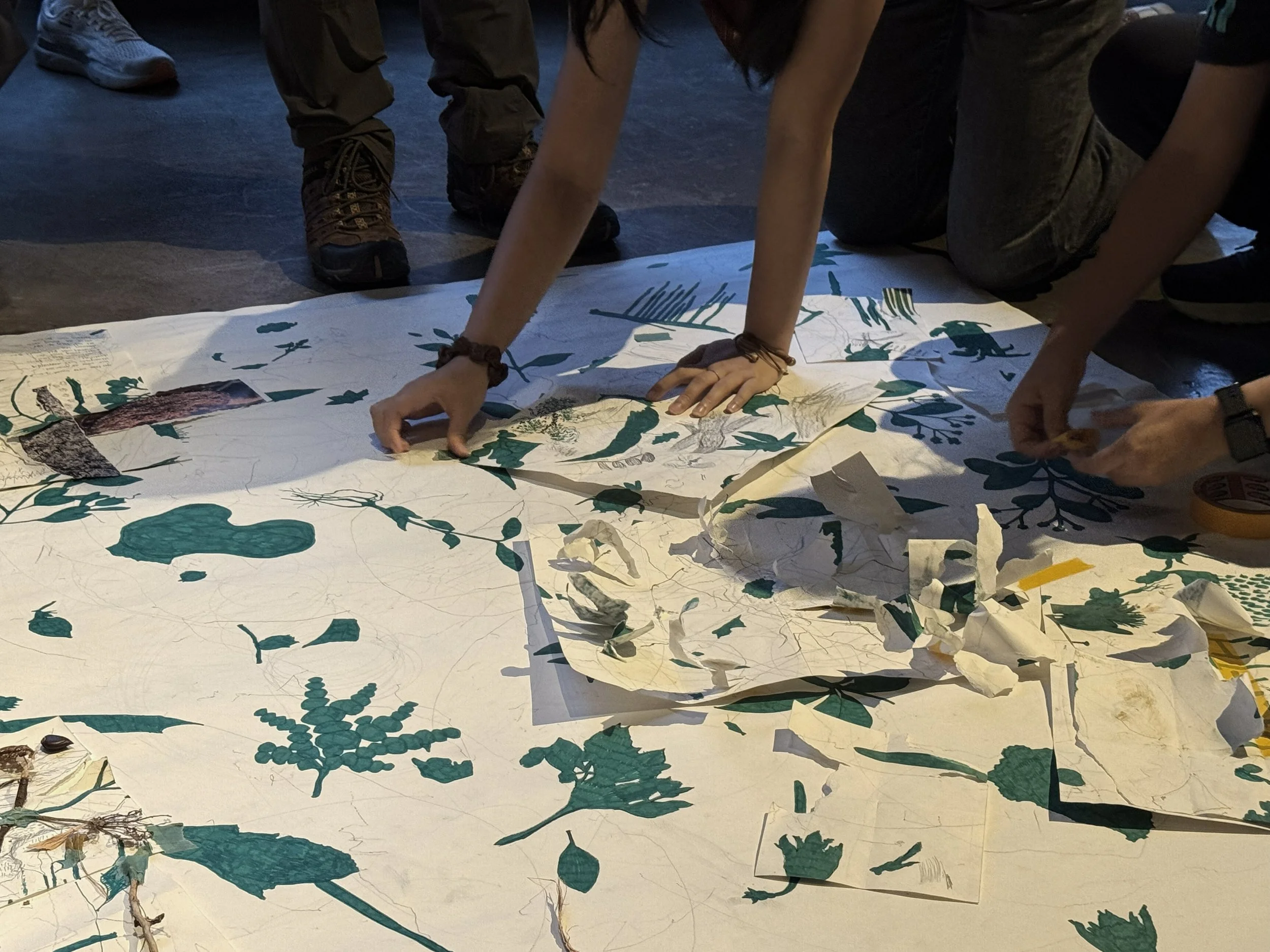
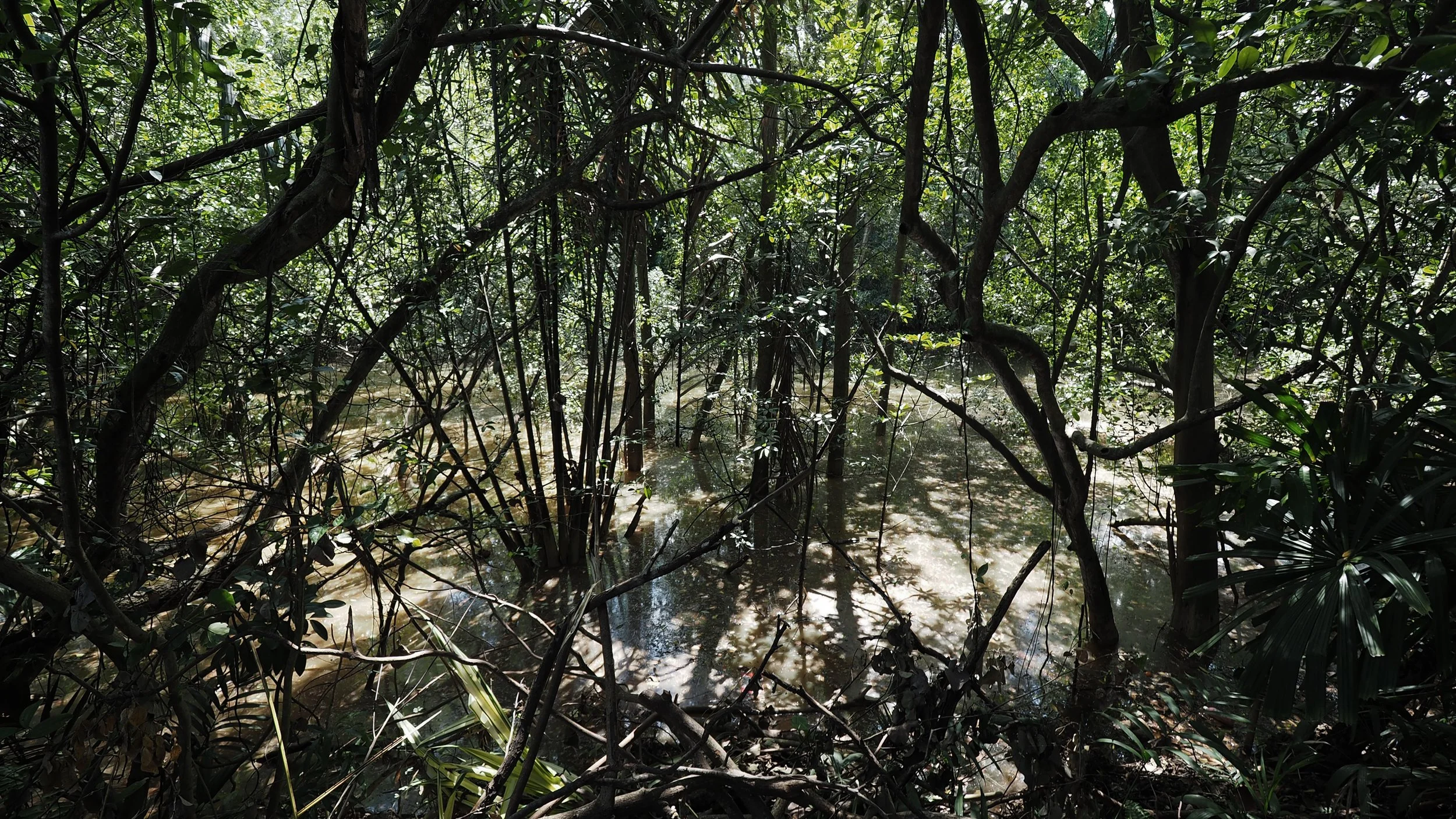
Drawing Dialogues: Stories of Decay is a workshop for re-attuning our urban selves to Nature’s time. It focuses on rethinking the place of decay in the wellbeing of cities and on re-presenting stories of decay as matters of care. The workshop starts with a walk in the Berlayer Creek—a rare remnant of Singapore’s mangrove histories once denigrated as a place of dankness and disease—after which participants were led to uncover stories of decay in a workshop, where drawing and dialoguing with decay, they create their own narratives and landscapes of decay culminating in a collaborative artwork. Expanding on Superlative Futures’ speculative design research on new ecological practices for weathering the future city, this workshop marks the beginning of a propositional archive—A Cartography of Decay—that charts different relationships between decay and the city.